
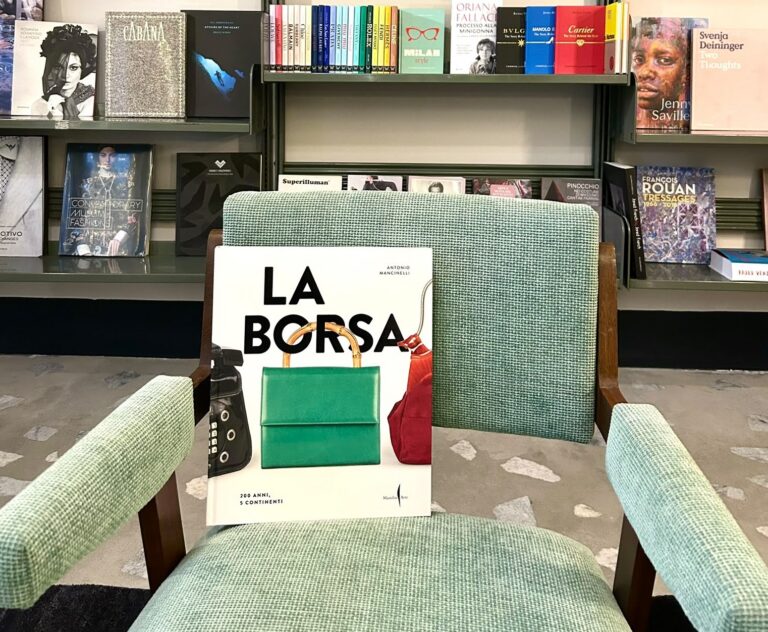
Milan, 19 November–The bag means so much for everyone–women, men, young, adults, nerds or fashion victims…It can be most different, according to tastes and needs. Either basic or eccentric. Shiny witn strass or easy and rustic…
The list could go on endlessly as this accessory has become much more than a cult object and collectors’ obsession. “It’s our emotional first-aid kit, our true home away from home, an entire universe of secrets held in the palm of our hand,” says Antonio Mancinelli in his book “La Borsa/The Bag. 200 Years. 5 Continents”, just published in two editions—in Italian and English—by Marsilio Arte.
The renowned Italian journalist, writer, and professor has compiled a rich selection of 300 unique bag examples from five continents, exploring the universe of this archetype from the early 19th century to the present day, following a different order than that often found in works dedicated to fashion, which typically adhere to a chronological sequence.
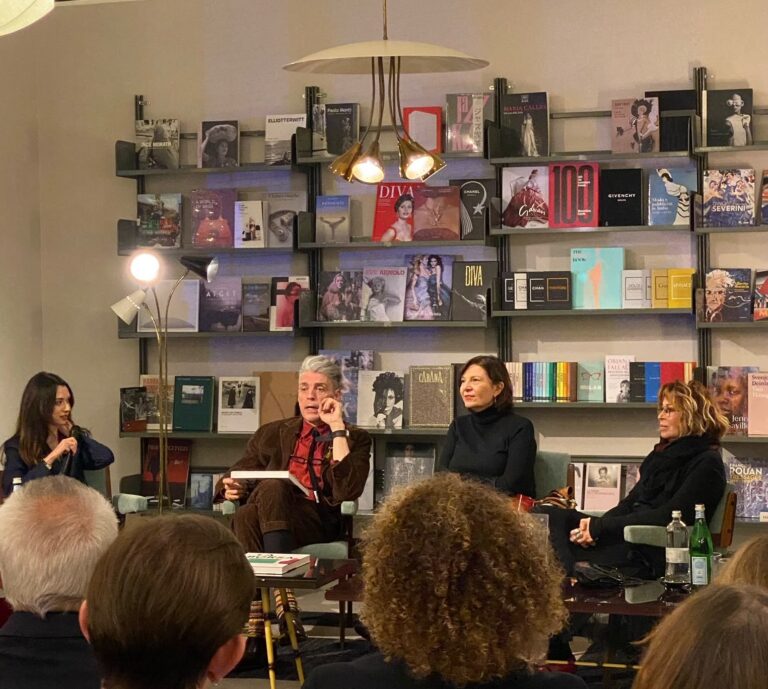
The book, disclosed at aa recent conference at L’Arabesque store in Milan, is organized around the various occasions for use that have marked life over the past two centuries. It features everything from functional daytime bags to exquisite evening bags, from models for dancing, the theater, and formal occasions to large travel luggage, all the way to leisure bags, bags associated with first love, and even the extravagances of a Wunderkammer.
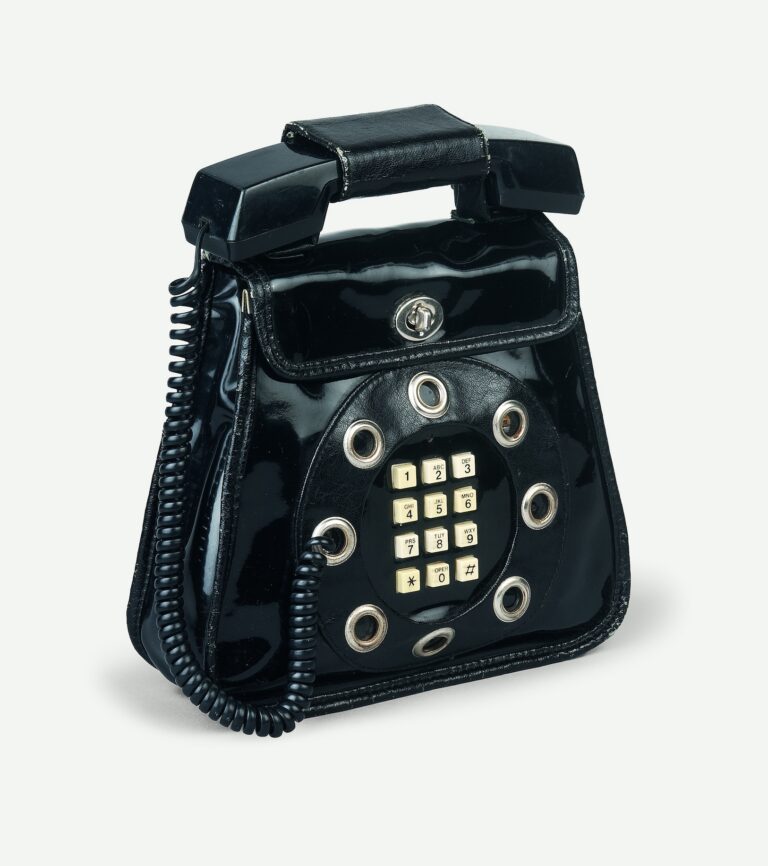
Accompanied by a wide selection of illustrations, the publication is a veritable kaleidoscope of shapes, materials, and decorations—including fine leathers, silks, chiseled metals, and visionary plastics—that bear witness to the evolution of taste over time, as well as that of the status of women.
The book features several essays. In the first two, fashion designer Antonio Mancinelli traces the history and unisex evolution of the bag (up to the contemporary man who redefines his utility bag as masculine), highlighting how gender boundaries have been transcended. Philosopher Emanuele Coccia, a contributor to the publication, explores the bag’s most intimately metaphysical dimension, defining it as a pocket-sized “Last Judgment” through which we preserve the most intimate fragments of our daily lives.
Rounding out this fascinating picture are contributions from fashion journalist Beatrice Manca, a keen interpreter of contemporary styles and trends.
“The bag is a mirror of its time,” writes Mancinelli. “In times of abundance, it becomes opulent; in times of war, it is reduced to essential functionality; in moments of social change, it transforms in style and role alongside people. Reading history through handbags is a bit like emptying humanity’s great bag and observing the objects that fall out: stone tools, imperial seals, coins, rosaries, cosmetics, smartphones… Each tells a different chapter but shares a common thread: that of containing and carrying with one.”
Many previously unseen images depict both ordinary women, captured in their daily lives with their everyday handbags, and legendary figures who have helped make some of the most famous models timeless. From the handbags beloved by international icons such as Jacqueline Kennedy and Jane Birkin to vintage photographs featuring unforgettable Italian pop culture divas like Ornella Vanoni and Raffaella Carrà.
The result is an original work that transcends the boundaries of fashion to engage in a multifaceted dialogue with sociology, cultural history, and design, reminding us that emptying a bag ultimately means coming to terms with our own inner selves.
By Maria Cristina Pavarini