
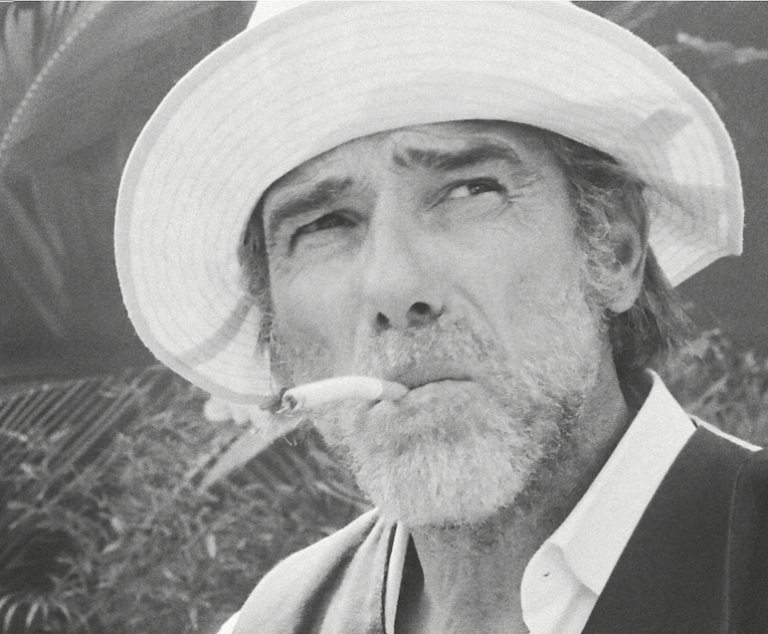
La mia strada is not a traditional autobiography, but Alessandro Squarzi, entrepreneur, consultant, and fashion industry expert, chose it to tell his story, share his journey, and express what he believes in. He does so as he turns 60, with a heart full of gratitude.
Esquire UK named him “Best Dressed Man in the World” in 2017, and an international icon of timeless elegance. He has a community of about 500,000 Instagram followers who consider him a leading authority on style, vintage fashion, and authenticity.
Driven by his passion for collecting rare garments and objects, he has always hunted for authentic, high-quality products that tell genuine stories. Those stories live on through Fortela, the brand he founded in 2014, which today sells to Italy, Europe, Japan and The US, counts a store in Milan and one in Forte dei Marmi, and about 20 employees. He tells his story without pretense, frills, or filters.
Edizioni La Serra published La mia strada, which Squarzi wrote with Ilaria Spadaccini, an author, ghostwriter, and copywriter. It is his fifth book, but the first to chronicle his journey from his early jobs to his work with international brands, through his loves, friendships, personal achievements, and passions, including horses, cars, and collecting.
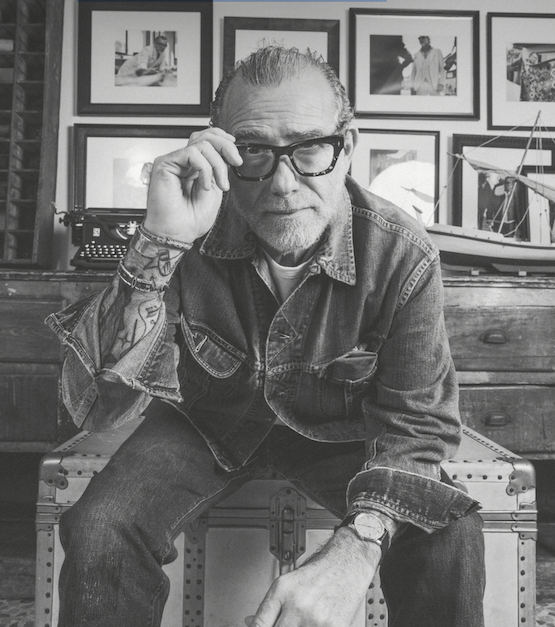
Each page offers a candid portrait of a man who has always chosen his own path, guided by one compass, freedom, but also by consistency, self-discipline, and honesty.
“For me, my word is everything. It’s a commitment, a contract, a deed. My word is worth more than any signature. And if it all comes crashing down tomorrow, so be it. We’ll start over. In my idea of success, there’s room for failure too, because traveling has taught me that the most important thing is not to betray myself,” he says in the book.
For him, true luxury isn’t about possessions but about being able to choose who to be every day. “Here you’ll find neither a perfect parable nor an infallible hero. But if you’re interested in the truth, even when it burns, then welcome. I’ve chosen to put not only my victories but also my downfalls on paper.”
He recounts his life from the very beginning, starting with his origins in Forlì, a provincial town in Romagna. “Roots don’t make a sound, but they hold everything else together,” he says. Although he lives in Milan, he periodically returns to Forlì, where he keeps his home and his archive of vintage clothing, which he calls “my creative garden.”
Shelves and trunks overflow there with faded military jackets, worn-out denim, work uniforms, and tailored garments from days gone by. “It’s apparent chaos, a creative disorder where every object seems placed at random yet has its own place in my imagination. Every garment kept here tells a story, and together they make up my story,” he explains, referring to the 6,000 pieces he has collected over 40 years that continue to inspire him. “I have faith in things made to last, not in those made to be quickly consumed,” he says.
The book moves from his early experiences with brands like Jo No Fui, an experimental denim label, through Mr & Mrs Furs, which he created by transforming authentic military jackets with luxury details, to his collaboration with Happiness and his passion for Made in Japan jeans, in the denim districts between Okayama and Hiroshima. He also talks about how he shapes and interacts with his team: “Because skills can be learned, but a love for what you do cannot.” He stresses the importance of trust: “Control doesn’t come from micromanagement; it comes from trust and delegation. For me, trust is freedom. It’s the soul of Fortela, and it’s what allows us to grow together.”
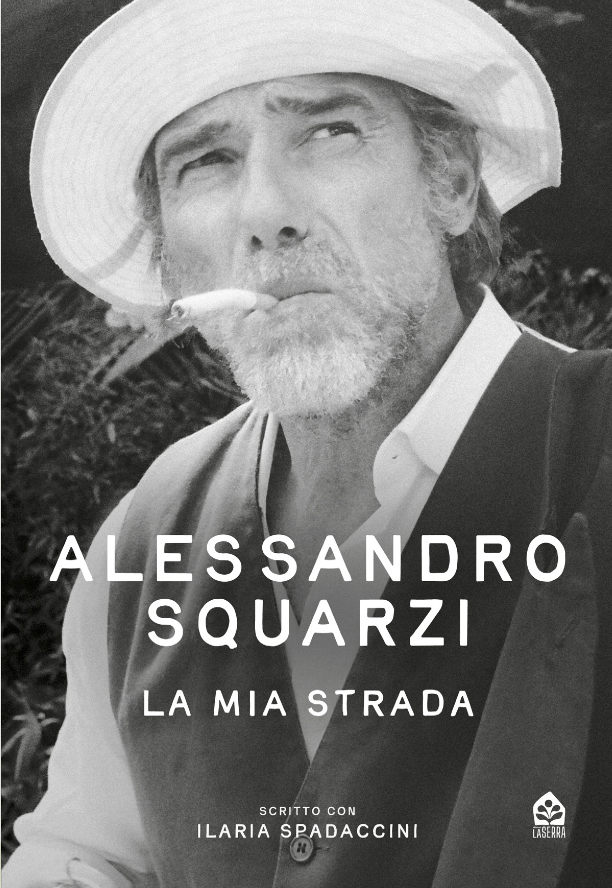
A series of notes on what he considers elegance, including what he calls the “Essential Wardrobe” close the book. “Dressing well doesn’t mean chasing trends. I […] have always avoided trends. I’ve created my own style, dressing in a way that makes me feel good. It’s not important to dress well. It’s important to dress in a way that makes you feel good.”
Because a person’s worth doesn’t come from how they dress. “What matters is how they behave: kindness, gratitude, politeness[…]. It’s the little everyday details that really make a difference. Elegance in dress is merely a consequence of the elegance of the heart.”