
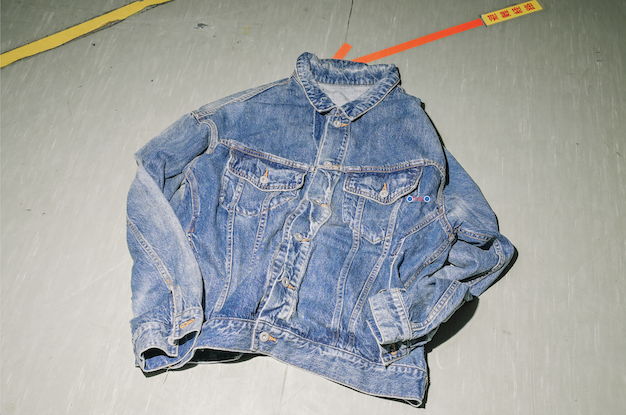
Within the Kingpins Amsterdam show edition of October, The Lenzing Group, a global producer of wood-based fibers, is launching the “Remod Collection,” a selection of three fibers developed in partnership with Kaihara Corporation, the world-renowned Japanese denim manufacturer.
The three fibers devised for denim applications are Tencel Lyocell Standard, Tencel Lyocell–HV100, and Tencel Lyocell dtex 2.2.
“We are delighted to work with Kaihara Corporation again,” said Dennis Hui, global business development manager, denim, Lenzing. “Tencel fibers have been part of Kaihara’s collections since the 1990s, and every chapter has asked something different about the material,” he added.
“What makes this latest ‘Remod Collection’ especially exciting is how each fiber is celebrated in various applications as a discovery of what is possible with each Tencel fiber type—from our cotton-inspired Tencel Lyocell—HV100, alongside Tencel Lyocell Standard and our linen-inspired Tencel Lyocell dtex 2.2. Each brings authentic denim character with elevated comfort and hand feel,” he continued.
The collection pairs the authentic look of cotton denim and the craftsmanship of Japanese denim-making with an elevated hand feel and comfort. The range spans heavyweight men’s jackets, mid-weight wide-leg and stretch jeans alongside cotton-free casual shirting. Together, the collection unlocks a range of fiber-blending possibilities, including constructions with and without cotton.
As each of the fiber features different features and aspects, and brands seek materials that combine authentic aesthetics with performance and sustainability credentials, Lenzing is working across the value chain to expand the creative and commercial potential of specialty fibers in premium textile applications.
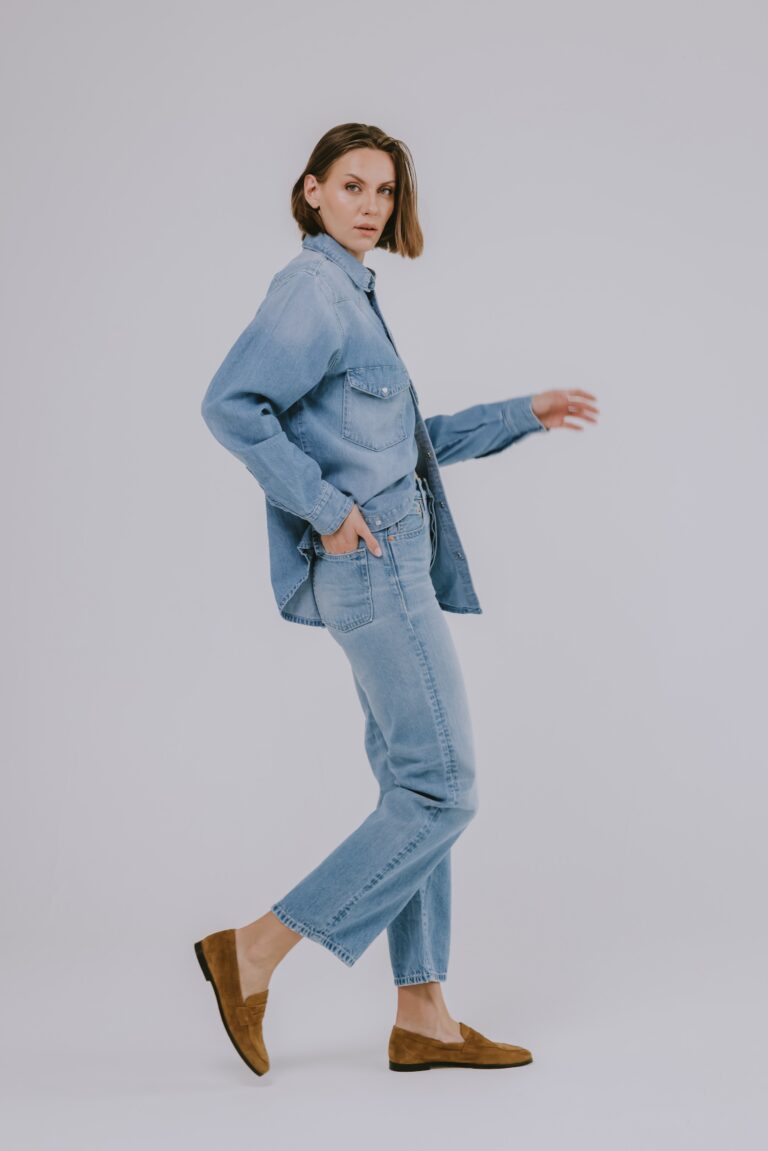
The fiber Tencel Lyocell–HV100 is characterised by a cotton-inspired aesthetic. Using Variocut technology to create deliberate variations in fiber length, the fiber creates the subtle irregularities and matte, more opaque appearance commonly associated with cotton.
Meanwhile, Tencel Lyocell dtex 2.2, with a 51mm fiber length, is coarser than standard Tencel Lyocell and gives fabrics a drier, stiffer touch and natural slub pattern reminiscent of linen, adding body and structure without weight.
Tencel Lyocell standard fibers bring softness, fluid drape, and color depth. Explored through diverse blending options across the collection, each fiber brings its own texture, visual depth, and everyday comfort.
“Texture is one of the most defining elements of premium denim, shaping both its character and visual appeal,” said Akihiro Maehara, director, market planning division, Kaihara Corporation.
“For this collection, we harnessed the unique attributes of each Tencel Lyocell fiber type to add value to the denim in distinct ways, creating fabrics that balance authentic denim aesthetics with softness, drape, and comfort,” he said.
Lenzing launched Tencel Lyocell–HV100 first at Kingpins Amsterdam a year ago, in October 2025, with 17 mills across five countries and reached 37 mills in nine countries by April 2026. Today it has reached nearly 50 mills across 13 countries, including Indian mills for the first time, while aiming to expand further among Asia sourcing hubs.
As this fiber marks its one-year anniversary, it continues to build on something mills report consistently: it fits readily into their operations. Existing machinery, process steps, and chemicals all apply, so partners can widen their fiber options without additional capital outlay.
“Brands want more choices in how they create denim, but they also want confidence in the materials and partners they work with,” said Tuncay Kılıçkan, head of global business development, denim, Lenzing.
“Planning a denim program means committing months ahead, so a material that behaves predictably—in supply, in processing, in how it wears—is worth a great deal. Tencel Lyocell–HV100 gives brands that, while preserving the authenticity, timelessness, and comfort that make denim a wardrobe staple. A year on, close to 50 mills have already brought the fiber into their products, which means a brand can explore a broader material palette for future collections and know where to source it,” he added.