An exhibit and a book honor Intex, seven centuries of history, and the Astico river
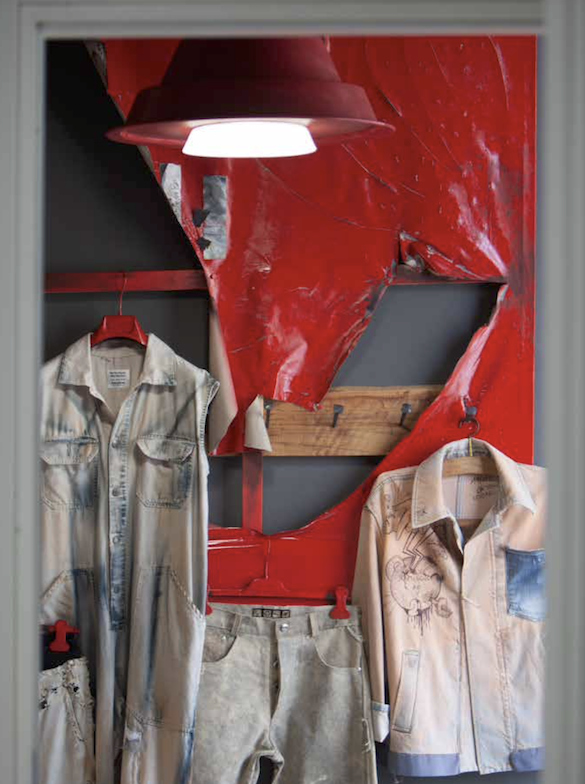
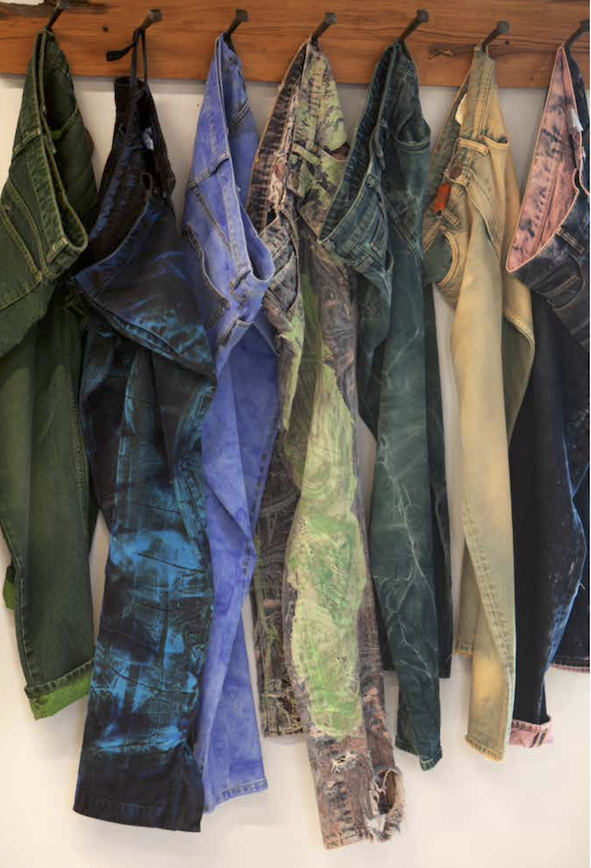
Sarcedo (Vicenza), September 11, 2026. Tomorrow, September 12, 2026, Intex, a company specializing in textile finishing, dyeing, and denim treatments for fashion and luxury brands, will open an exhibition at its headquarters, located in the former Beaupain Wool Mill.
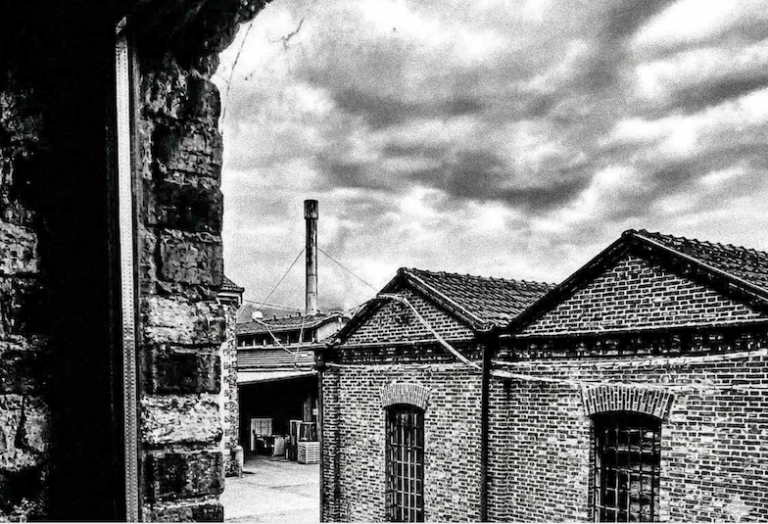
The exhibition “Permanenze: A Workplace Through Seven Centuries of Transformation” will present a journey through the history of the Intex headquarters, a historical workplace continuously from the 13th century to the present day.
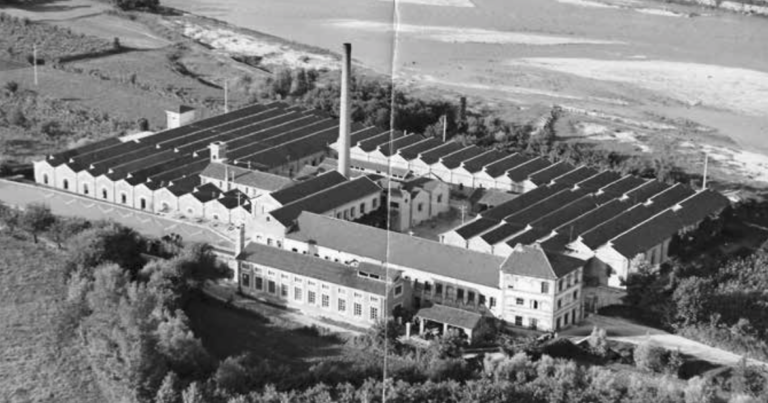
Based in Sarcedo, a town in the Vicenza wool-producing district, along the waters of the Astico stream, this historic industrial site has an immense value as it housed a sawmill in the late 1200s, later becoming a paper mill and then transforming into the Beaupain Wool Mill, which operated until 1966.
In more recent years, it has served as the headquarters, for example, of Rober Confezioni—the company that founded the Yuma Jeans brand—and, from 1987 to the present, headquarter of Intex (while nearing to next year’s 40th anniversary celebrations).
The exhibition is based on a historical research book titled “Dal Mulin dell’Astego a Intex” (from the local dialect, meaning “From the Astico sawmill to Intex”) edited by Cinzia Dal Santo. The book recounts how the building has changed over the centuries and how it has remained a vibrant place in step with the times while retaining its charm.
A large section of the exhibition is dedicated to environmental sustainability, a central theme for Intex. For example, the company uses a dual wastewater treatment system that recovers and recycles water, thereby protecting the Astico River. It is powered by a photovoltaic system installed on the factory roof and uses dyes that comply with the GOTS and GRS environmental certifications.
“The history of this workplace has its roots in the Middle Ages and has undergone a long series of transformations,” explains the author, Dal Santo. “Throughout its evolution, the building has adapted to changes in technology and work organization, while maintaining a constant connection to water—a fundamental resource for the industrial development of the region.”
“To highlight the value of these places is to recognize a legacy that transcends their original function. These are buildings born of practical necessity that exude a subtle, unostentatious beauty—the result of a balance between utility, durability, and a ‘sense of purpose’. This place continues to live on through the people who work here and constantly reshape the present,” concludes the author.
The exhibit takes place at Intex, Via Monte Corno 5, Sarcedo (VI), and will be open on Saturdays, September 12, 19, and 26, from 4PM to 7PM, or by appointment, with free admission.