
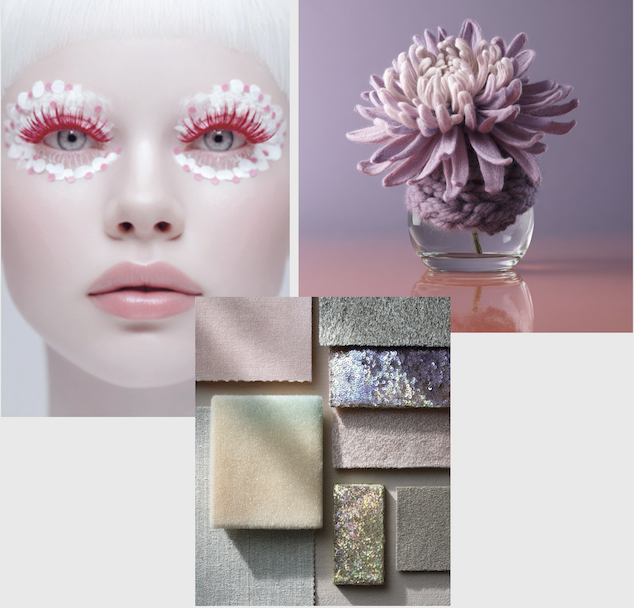
Fashionize, a digital trend intelligence platform, was recently launched. It specializes in trend forecasting for various sectors—including fashion, beauty, design, lifestyle, and more—and is aimed at brands, companies, design studios, and professionals.
The platform offers its subscribers trend directions related to colors and aesthetic developments through mood boards, thematic boards, color palettes, visuals, and in-depth analyses of specific themes. This content is complemented by access to the studio’s archive, which offers over 15,000 images—constantly updated and available to subscribers.
The initiative was launched by Studio Merizzi, a creative studio based in Turin, Italy, which has been in business for over 20 years and specializes in research, creative direction, and design in the fashion and design sectors. Among its various Italian and international clients, the studio has long collaborated with fashion chains, including OVS.
Fashionize draws on the expertise of its founder and creative director, Federico Merizzi, whose work is rooted in research, observation, material culture, and design. Merizzi identifies trends by analyzing cultural, social, and aesthetic shifts, as well as the evolution of materials and market behaviors, transforming them into visual tools useful for design.
We spoke with him about his work and how the fashion industry will evolve in light of the upcoming challenges facing companies—such as the post-COVID period and the impact of new sustainability laws.

How do you conduct your research, and how do you distinguish yourselves from other “trend bureaus”?
Fashionize was born from the research and design experience we’ve gained over 27 years at Studio Merizzi. We’ve always provided wide-ranging research across various lifestyle sectors.
With Fashionize, we’ve brought online a methodology developed through daily collaboration with companies. The idea for the platform came from observing what was happening to many small and medium-sized businesses, especially after the pandemic. Many of them had drastically cut their budgets for consulting and travel, while the need for research and staying up-to-date remained. We wanted to give them access to the research we continue to conduct.
Our content selection is guided by an approach that goes beyond mere aesthetics. Over the years, I’ve combined trend research and collection development with travel and direct work with suppliers, with the goal of achieving the best results in terms of product, quality, and cost-effectiveness.
How do you develop relationships with companies for this purpose?
Understanding companies’ needs influences how we interpret trends on Fashionize. When we develop content, we start with a broad analysis of socioeconomic and cultural changes to understand how they might influence people’s tastes and choices. Then, together with the team, we select and explore the trends we consider significant, offering an open perspective and a precise analysis.
Fashionize’s work can be interpreted on two levels: a broader one focused on trend forecasting, which allows us to explore the origins and evolution of trends, and a more immediate one, offering suggestions that clients can interpret and adapt to their own brands. This is complemented by a photographic archive that we update through our travels—from trade shows to exhibitions, and through research in international cities.
Which megatrend will lead the fashion industry in the future?
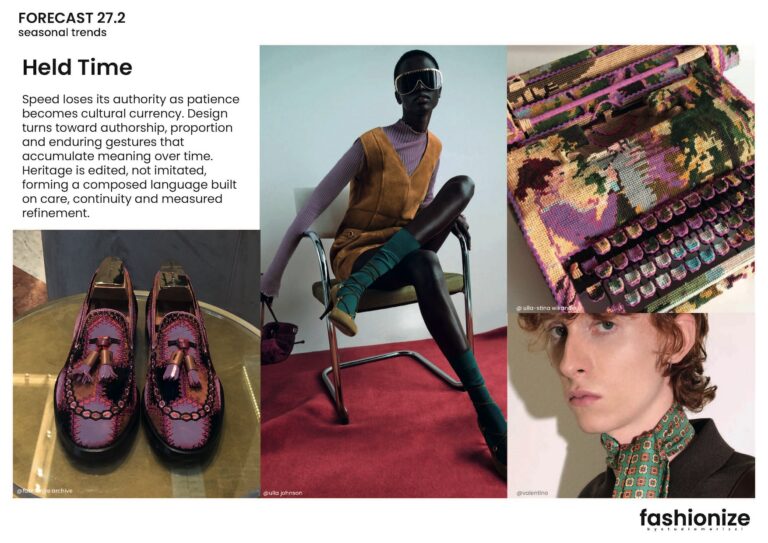
I see a fundamental shift in the relationship between people, products, and identity, which we summarize as the transition “from mix to meaning.” In recent years, we’ve observed the hybridization of diverse languages—such as sports, heritage, streetwear, nostalgia, and digital culture—and the new combinations they’ve created. I believe that the meaning people attribute to these choices will carry increasing weight in the development of market trends.
At the core, I see three intertwined needs—belonging, individual expression, and connection to the physical experience. The spread of AI and the glut of images are expanding the possibilities for imagination and experimentation. At the same time, materiality, memory, and emotional connections are gaining value.
I’m particularly interested in how the concept of belonging is changing. People can identify with a community, share its passions and codes, while maintaining a strong sense of autonomy in how they present themselves. The same person moves through different worlds and brings them together in their own style. For forecasting, this means reading the connections between those worlds and understanding how they can transform the relationship with the product.
How will this translate concretely in the fashion industry?
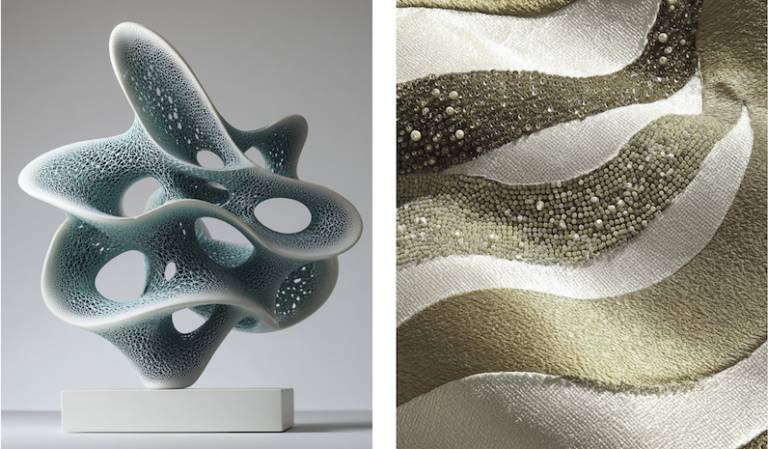
In fashion, I expect this evolution to blur the boundaries between the stylistic families of collections. The codes remain recognizable, while the relationships between them change. For example, a heritage element can take on a streetwear vibe, while a romantic detail can complement a sporty look. The design process involves proportions, materials, construction, styling, and even graphic languages. Tactile finishes, irregular surfaces, and details that evoke a story can also strengthen the connection with the garment.
The same trend extends to lifestyle. In our latest published insight, “Home in Motion,” dedicated to living spaces, we analyze modular and reconfigurable spaces capable of accommodating more mobile lifestyles. Within this flexibility, personal items, familiar materials, and colors maintain an emotional continuity. Adaptability and a sense of belonging become two needs that must be designed together.
For brands, this means creating offerings with a distinct identity that are open to personal interpretations. A product’s value will also depend on the ability to integrate it into one’s own world, attributing a meaning to it that endures over time.
Do you also work in sustainable fashion? How are these products changing aesthetically, and what developments do you foresee, especially in light of European regulations?
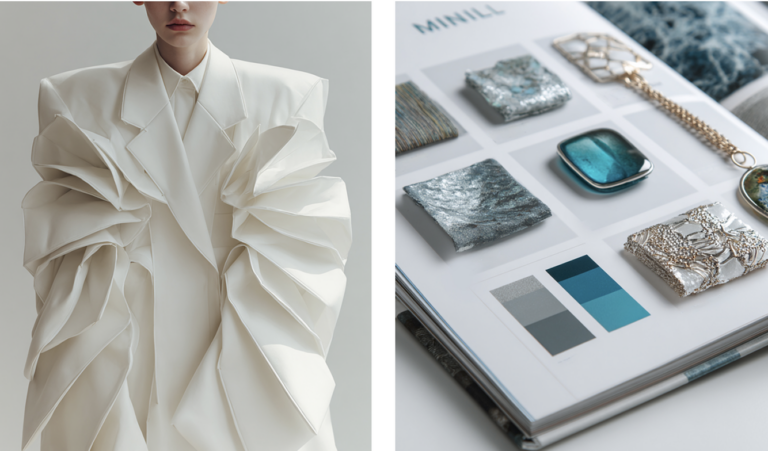
At Fashionize, we approach sustainability through research into materials and their potential applications. As an art director, I try to understand the possibilities they open up in terms of aesthetics and design. I also seek to understand their limitations and how they can be utilized in product development.
The experience I’ve gained in the field leads me to carefully observe the gap between research and application. An interesting solution must take into account availability, performance, manufacturing processes, and costs. When I evaluate an innovation, I also ask myself whether it can achieve wider adoption and under what conditions it can become accessible to different market segments.
The observation about colors, moreover, has a concrete basis. Some recycled materials that retain their original hues, as well as certain dyes derived from plant waste, may offer a more limited color range and produce less vibrant results.
Research is expanding the possibilities, but achieving a very vivid—and especially fluorescent—color while maintaining environmental goals and adequate performance requires specific evaluations. The result depends on the fiber, the formulation, and the process used.
The designer’s job also involves understanding these characteristics and using them as a foundation to create a design with aesthetic impact. An irregular surface or a dusty color can convey a specific character. At the same time, advances in coloring technologies can open the door to more vibrant expressions. I therefore expect to see greater diversity in design approaches for products developed with the goal of reducing environmental impact.
Do you also consider a garment’s durability in your research?
Absolutely. I’m careful to evaluate qualities such as the product’s durability, its ability to retain shape and color, maintenance requirements, and reparability. These are all factors that also influence the creative process. How long a garment continues to interest us, how it integrates into our wardrobe, and the possibilities it offers for reinterpretation are aspects that can collectively contribute to extending its useful life.
In our research on interior design and lifestyle, we observe different conditions for the development of innovation. A furnishing fabric, a piece of furniture, or an object can remain in a collection and on the market for years. This timeframe allows companies to invest in research, experiment with materials and processes, and recoup their investments over a longer period. In fashion, the seasonal renewal of collections and the pressure on timelines and prices make it more difficult to follow the same path.
The European regulatory framework is placing greater emphasis on product lifecycles, transparency, and corporate responsibility through measures with varying implementation timelines. I believe this will help make environmental criteria a more prominent factor in design decisions. The challenge will be to incorporate these innovations into collections while ensuring reliable performance and affordable prices.
What experience has helped you grow the most, and from whom have you learned the most professionally?
Consulting with international brands has been the experience that has helped me grow the most.
Over the years, I’ve seen a significant change. Initially, in the markets where I worked, European designers—and Italian designers in particular—were almost automatically recognized as authorities. Italian taste was a very strong benchmark, and companies sought that input.
Today, the relationship is different. Especially in China, I’ve seen a strong awareness grow of the value of their own culture and design. Local origins, history, and customs carry an increasingly significant weight in companies’ requests. Our work must connect with this identity and with the expectations of their consumers.
The most formative challenge was understanding how much of my perspective was useful and how much, on the other hand, needed to be reevaluated. We’ve learned to use different social media platforms, to follow cultural phenomena and forms of expression that still receive little attention in Europe, and to view products through habits and sensibilities that differ from our own.
This exchange has changed the way I develop a proposal. Today, I devote a great deal of attention to understanding why a reference works in a given market, what meaning it takes on, and how it can be interpreted. Even a valid idea can lose its impact if it’s applied without understanding its context.
At the same time, I continue to see the quality of our Italian training recognized. Our cultural background allows us to connect research, aesthetic sensibility, product development, and commercial needs, giving a coherent direction to creative work. I’ve learned to draw on this experience with greater openness.
I have learned how to use this experience with greater openness. I understand that confronting with those who know the market from the inside can help and make evolve both.